Meet the newsroom behind Tideview Dispatch.
We’re the people calling the port at dawn, checking council notices at lunch, and staying late for the story that still doesn’t quite add up. Why does that matter? Because local trust is built one accurate paragraph at a time.
Our newsroom grew from a simple idea: Washington deserves reporting that understands the shoreline, the shipping lanes, and the neighbourhood conversations that shape them. We keep the work local-first, independent, and properly sourced. No shortcuts. No fluff.
Accuracy comes first.
If a detail can’t be verified, it doesn’t go live.
Local beats generic.
We write for the docks, the blocks, and the council chamber.
Our Commitment to Washington
Tideview Dispatch began with a handful of reporting notebooks, a stubborn respect for facts, and a belief that maritime communities deserve more than recycled wire copy. We started close to the water because that’s where the real stories live. Who else is going to track a ship delay, a harbour policy shift, and a school funding vote in the same morning?
Editorial independence isn’t a slogan here. It’s a daily routine: confirm the source, challenge the claim, name the gap, then publish only when the reporting stands up on its own. That approach keeps us honest and gives readers something sturdier than noise.
We don’t just report what happened. We ask what it means for the harbour workers, the ferry commuters, and the families who live with the decision tomorrow.
That’s our local-first promise.
Meet the Newsroom
Four desks, one editorial standard. The team is intentionally small so every story gets hands-on attention, and yes, that means the editor still reads every major piece before it ships. Want to know who’s keeping watch?

Maya Ellison
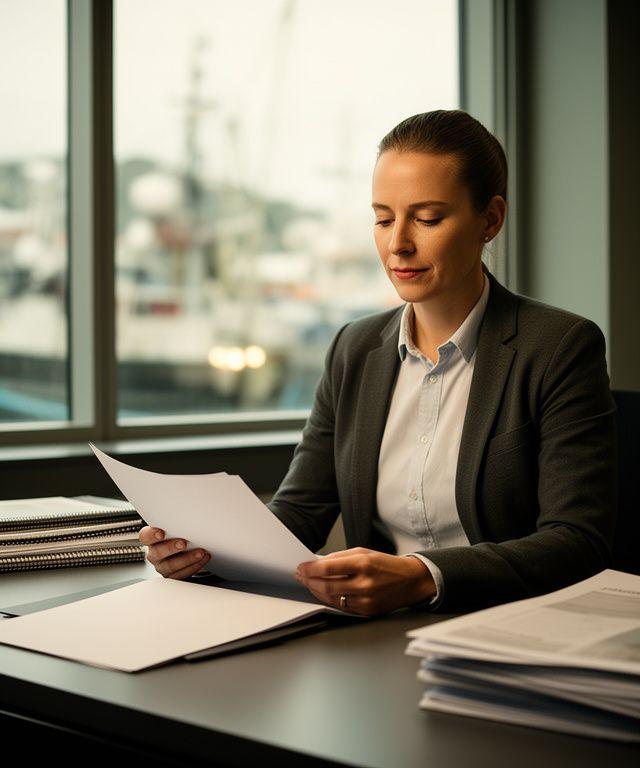
Maya has spent 17 years in local journalism, with a career shaped by council meetings, shoreline development rows, and long nights fact-checking stories before first print. She still asks the awkward question every newsroom needs: “What can we prove?”
Her background in community reporting keeps the tone sharp and the priorities grounded. If a story doesn’t help readers understand Washington better, she’ll trim it until it does.
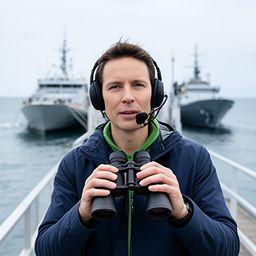 Maritime affairs correspondent
Tobias Mercer
Tobias covers port operations, shipping traffic, and coastal regulation. He grew up around working docks, so he knows when a vessel story is routine — and when it’s not.
 Investigative reporter
Amina Farrow
Amina digs through records, procurement files, and policy changes with a methodical eye. She’s the one who keeps asking what the paperwork doesn’t say.

Leonie Hart
Leonie listens first. Then she turns school updates, transport notices, and neighbourhood concerns into clear reporting people can use right away. It sounds simple, but isn’t that what good local journalism should feel like?
Recognition & Milestones
Awards are nice. What matters more is the trail they leave behind — a safer crossing, a clearer policy, a story that helped residents push for answers. We keep those receipts close.
Regional press award
Honoured for public-interest reporting on harbour safety.
Records-led investigation
A procurement story that prompted a formal review.
Readership milestone
Digital readership grew steadily across 18 months.
Community impact story
Coverage that helped secure public consultation.
Editorial citation
Recognised for consistency and source discipline.
12 major public briefs
We’ve tracked civic meetings, transport proposals, and port decisions that shaped daily life along the waterfront.
1,000+ verified sources
The list keeps growing because good reporting doesn’t live in one inbox. It lives in the field.
Digital-first since day one
We moved fast when readers did, but kept the same reporting standard from print through to digital editions.
Our Story Through the Years
A newsroom grows in layers. First comes the local beat, then the archive, then the digital audience, and finally the habit of being trusted. How did we get here? One well-sourced story at a time.
A small editorial room near the harbour
Tideview Dispatch began as a compact local paper with a stubborn focus on Washington’s waterfront and the communities that depend on it. The early beats were practical: shipping notices, civic updates, and stories people needed before breakfast.
From print runs to digital editions
As readers shifted online, we rebuilt the publishing flow without losing the newsroom rhythm. That transition let us respond faster to breaking maritime updates while preserving the longer investigative work.
Stories that changed the conversation
From dock safety audits to storm-readiness reporting, our archive maps the issues that matter when the tide turns. Some stories were uncomfortable. That’s usually the sign they needed doing.
A newsroom built for trust and speed
We’re still local, still curious, and still willing to ask the second question. If you’ve got a lead, a correction, or a story hiding in plain sight, we’d rather hear it than miss it.
Want to help shape the next story?
Send a tip, flag a correction, or tell us what the port missed this week. We read every message, and the useful ones usually become tomorrow’s headline.